Email: gexinfertilizer@gmail.com

If you’re planning to set up an organic fertilizer plant, you’re stepping into one of the most promising and sustainable industries today. Gexin will walk you through every stage, helping you avoid costly mistakes and build a plant that is efficient, scalable, and profitable.
Understand the Market and Define Your Product Line
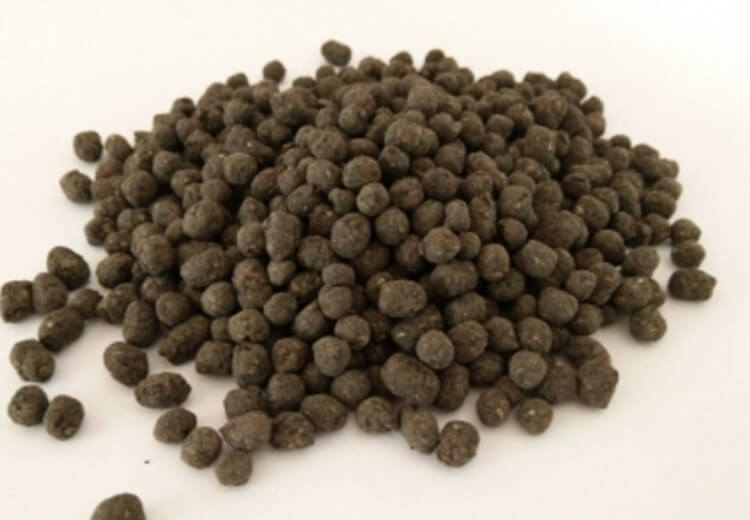
Will you make powder organic fertilizer, granular organic fertilizer, or liquid organic fertilizer? Each product type determines the equipment and production flow you’ll need.
Develop a Solid Business Plan and Feasibility Study
A common question is “how much does it cost to start an organic fertilizer plant?” The truth is, there’s no fixed number—it can range from 50,000~50,000for a small−scale operation to over 1 million for a fully automated, large-capacity organic fertilizer production line. Your business plan must detail:
Raw material availability and cost
What will you use? Common inputs are cow dung, chicken manure, pig manure, straw, sawdust, mushroom waste, sugar mill filter mud, and household compostable waste.
Plant capacity
How many tons per hour or per day will you produce? Typical small plants produce 1-3 tons per hour; large plants can reach 20 tons per hour.
Location and logistics
Proximity to raw materials and target markets dramatically influences profitability.
Capital and operational expenditure
Include land, construction, machinery, labor, utilities, packaging, and marketing.
A detailed feasibility study will not only secure funding but also clarify what kind of organic fertilizer manufacturing process suits your budget.
Choose the Right Location and Site Layout
Site selection is critical. You need a plot that complies with local zoning and environmental regulations, preferably away from residential areas due to odor during the composting phase.
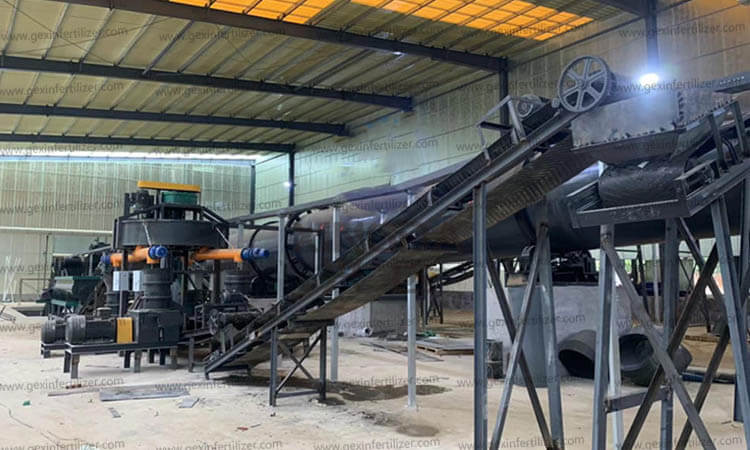
When laying out your plant, design a logical flow: Raw material reception → Composting area → Crushing and mixing → Granulation (if making granules) → Drying and cooling → Screening → Coating (optional) → Packaging → Warehouse. A well-planned layout reduces material handling costs and cross-contamination.
Secure Permits, Licenses, and Environmental Clearances
Setting up an organic fertilizer plant involves navigating regulatory requirements that vary by country. Typically you’ll need:
Business registration and tax identification
Environmental impact assessment (EIA) or permit for waste handling
Fertilizer manufacturing license or certification (especially for products labeled “organic”)
Compliance with organic input standards such as OMRI (US), EC 834/2007 (EU), or national organic regulations
Workplace safety and fire clearances
Consult with local authorities early. In many regions, organic fertilizer production is encouraged with subsidies or tax benefits, so investigate government incentives for agricultural waste recycling plants.
Master the Organic Fertilizer Manufacturing Process
Your entire operation hinges on understanding the organic fertilizer production process deeply. While specifics vary by raw material, the general steps are:
Step 1: Pre-treatment and Composting
Raw manure or waste materials often have high moisture content and may contain pathogens. Composting is the heart of organic fertilizer making. Two common methods are:
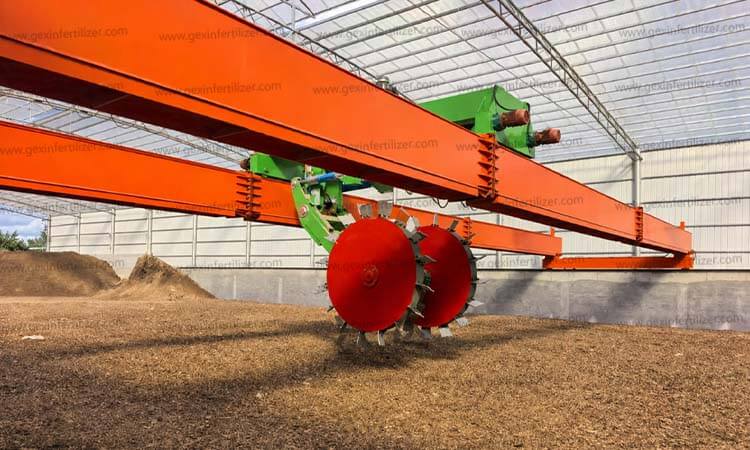
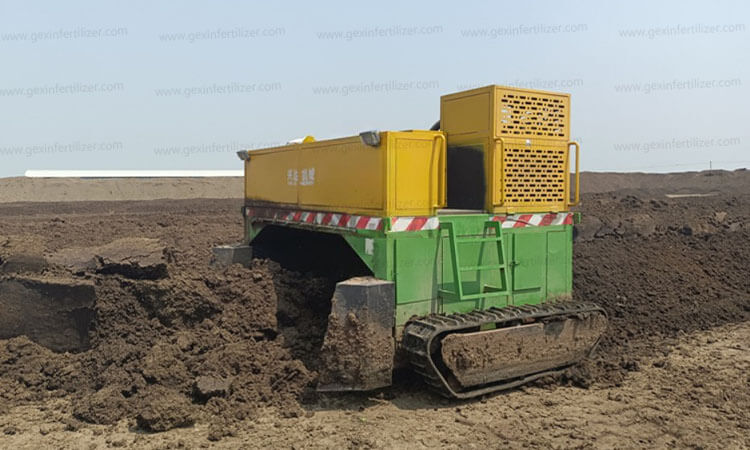
Windrow composting: Suited for smaller operations; use a compost turner machine to aerate piles regularly.
In-vessel or trench composting: Faster, more controlled, and better for large-scale plants.
Step 2: Crushing and Mixing
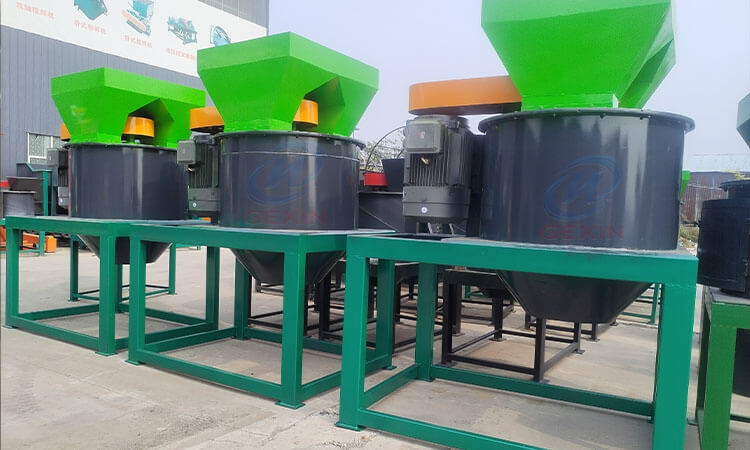
Use a semi-wet material crusher or vertical crusher to achieve uniform particle size.
Step 3: Granulation (for granular products)
Choose a disc granulator, rotary drum granulator, or new type organic fertilizer granulator based on your capacity and material properties.
Step 4: Drying and Cooling
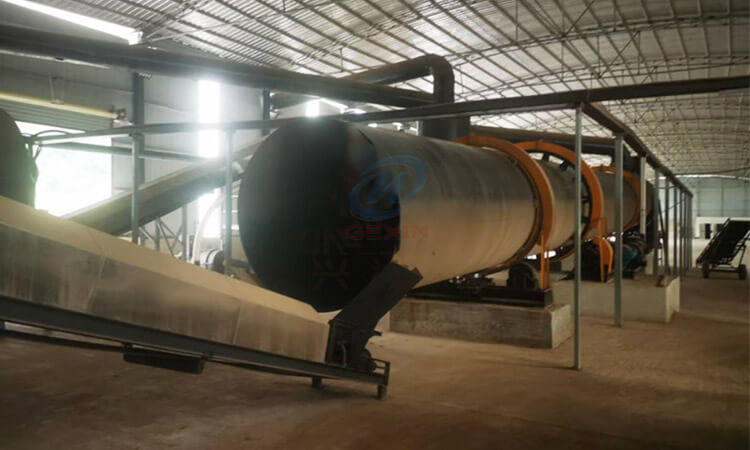
Fresh granules contain 15-25% moisture and must be dried to below 10% for safe storage. A rotary drum dryer and cooler tandem removes excess water and reduces temperature, strengthening granules.
Step 5: Screening and Coating
Use a rotary screener or vibrating screen to separate out-of-spec granules. Oversized particles can be crushed again; undersized powder returns to the granulator.
Step 6: Packaging
Finally, an automatic packing machine weights and bags the finished fertilizer into 25kg, 50kg, or bulk bags, ready for sale.
Select High-Quality Organic Fertilizer Plant Equipment
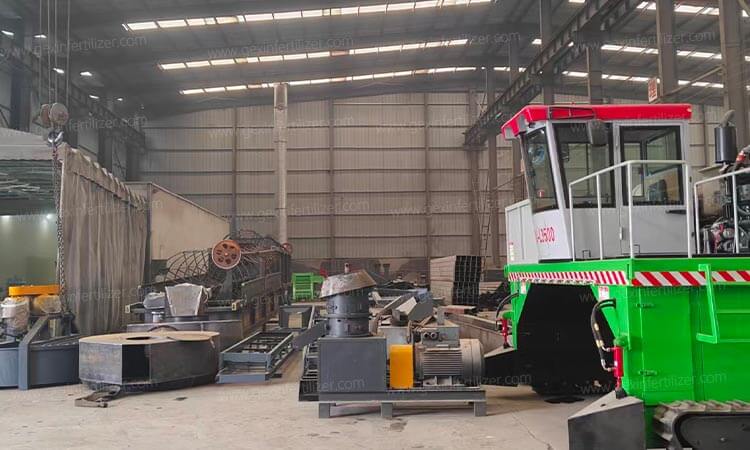
Look for manufacturers offering turnkey organic fertilizer production line solutions. A reliable supplier will provide:
Customized flow chart and factory layout
All core machines: compost turner, crusher, mixer, granulator, dryer, cooler, screener, coating machine, and packing machine
Auxiliary equipment like belt conveyors, bucket elevators, and dust collectors
Installation, commissioning, and staff training
Common Pitfalls to Avoid When You Set Up an Organic Fertilizer Plant
Underestimating the odor problem: Invest in proper composting technology and odour control systems like biofilters.
Skipping pilot batches
Always test your chosen raw material formula with a small-scale trial before full production.
Neglecting quality control
Consistently test for moisture, organic matter, NPK content, heavy metals, and pathogen levels.
Choosing machinery based on price alone
Cheap equipment often leads to high maintenance costs and production downtimes.
Ignoring logistics
Moving wet, heavy material costs money; plant location and layout must minimize transport distances.
Ready to Start Your Organic Fertilizer Plant?
Building an organic fertilizer plant is a complex but rewarding venture that solves a real environmental problem while generating steady returns.
Whether you need a full organic fertilizer production line, a single compost turner, or just expert advice on the how to set up an organic fertilizer plant—Gexin here to help.
Contact us today to discuss your project, request a quotation, or schedule a visit to one of our reference plants.