Email: gexinfertilizer@gmail.com

Organic Fertilizer Production Plants
Organic fertilizer plants are among the fastest-growing sectors in the industry. These facilities convert organic waste materials such as poultry manure, cow dung, food waste, and crop residues into marketable fertilizer products.
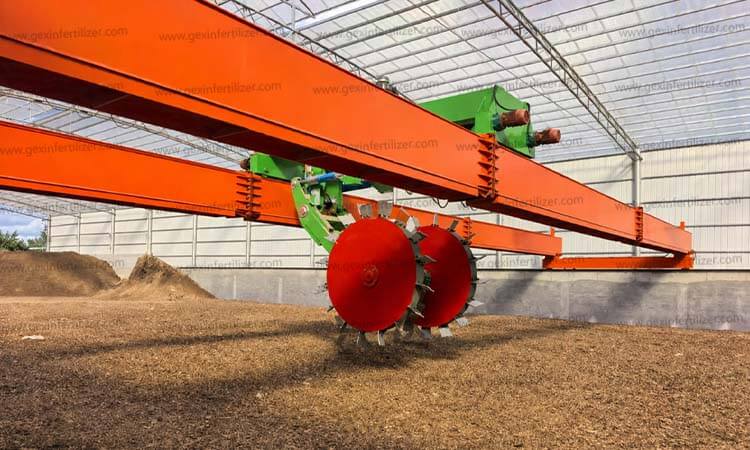
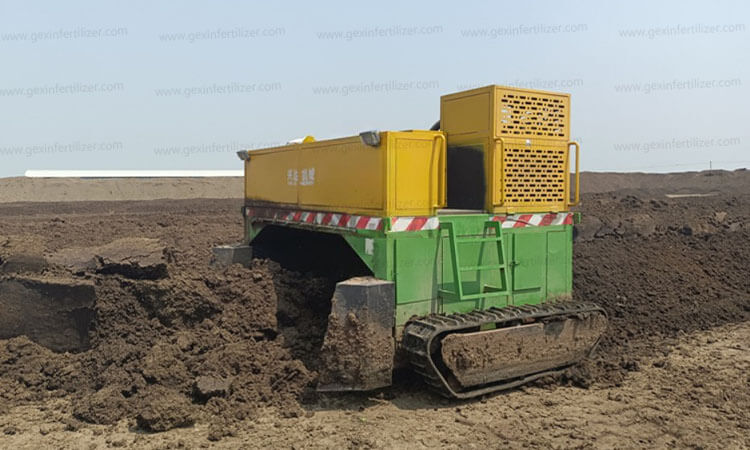
The investment required for an organic fertilizer plant depends heavily on capacity and automation. A small manual production line may only need basic crushing, mixing, composting, screening, and packaging equipment.
NPK Compound Fertilizer Plants
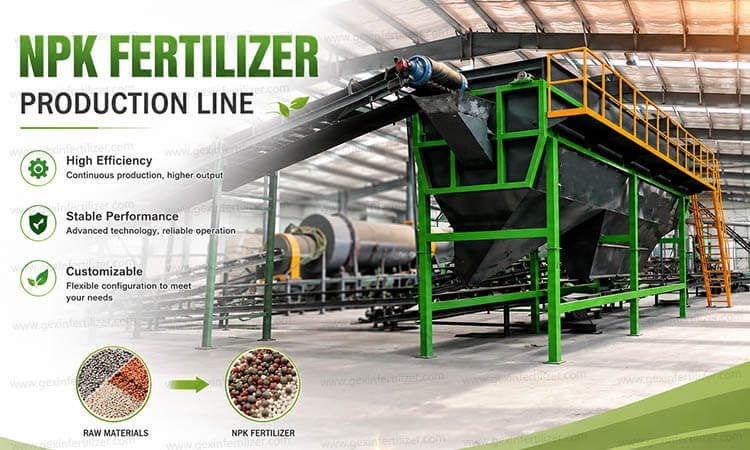
NPK fertilizer plants are far more complex and capital-intensive. These facilities produce compound fertilizers containing nitrogen, phosphorus, and potassium in specific ratios. Farmers depend heavily on NPK fertilizers because they provide balanced nutrients for crops and significantly increase yields.
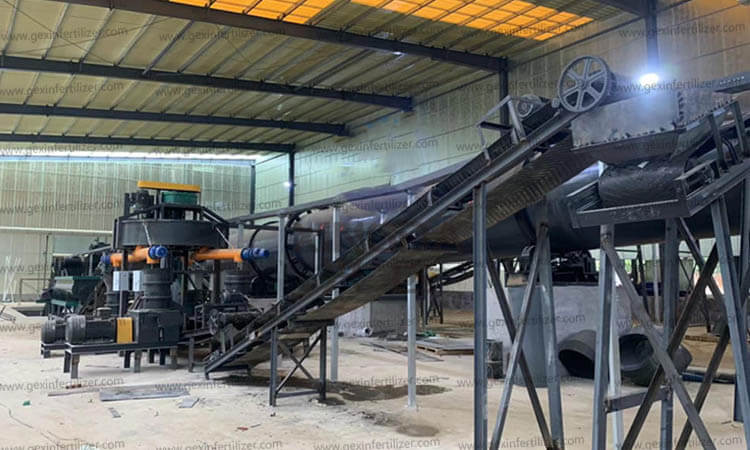
An NPK fertilizer plant usually requires raw material batching systems, crushers, mixers, granulators, dryers, coolers, coating machines, screening systems, dust collectors, conveyors, and automatic packaging units.
Bulk Blending Fertilizer Facilities
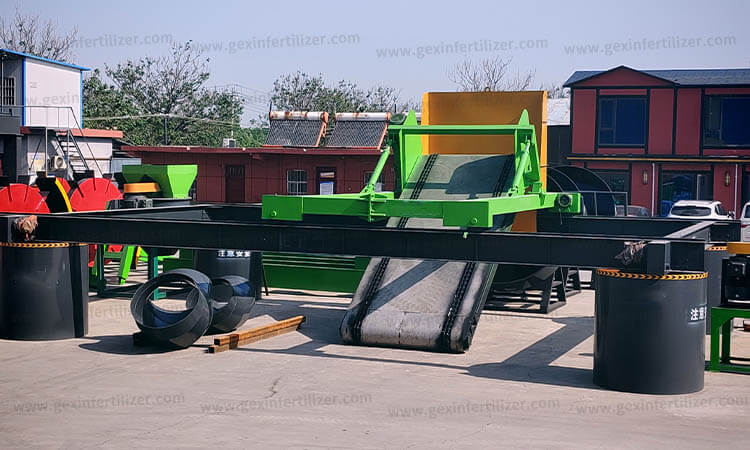
Bulk blending plants are usually the cheapest commercial fertilizer facilities to build. Instead of producing fertilizer chemically, these plants simply blend pre-made fertilizer granules into customized nutrient formulations. Equipment requirements are much simpler, often including storage bins, conveyors, batching systems, mixers, and bagging machines.